
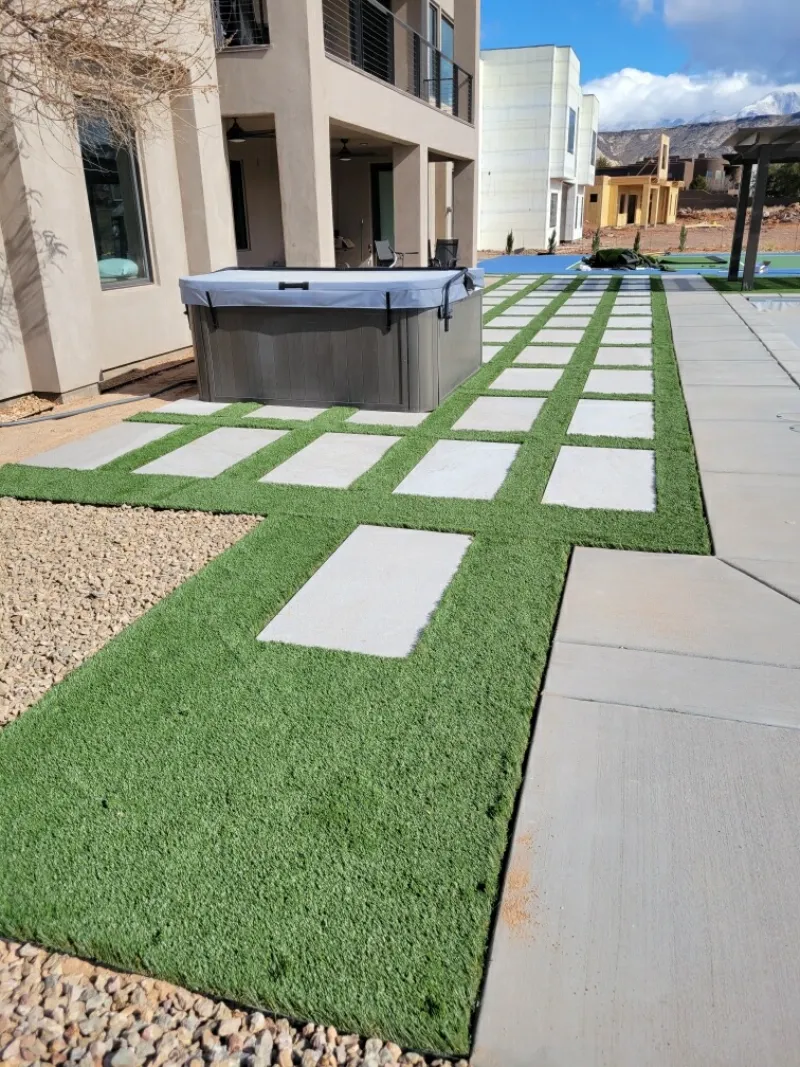
Artificial turf has become a popular solution for homeowners, businesses, and pet owners who want the beauty of green grass without the hassle of constant watering, mowing, and fertilizing. While turf is designed to be durable, long-lasting, and weather-resistant, many people are surprised to learn that it can be vulnerable to a unique type of damage: melting caused by the reflection of nearby windows.
This problem doesn’t happen everywhere, but when it does, it can quickly ruin a beautiful lawn. If you’re considering artificial turf or already have it installed, understanding how and why turf can melt is essential for protecting your investment.
How Turf Melting Happens
Artificial turf is made from synthetic fibers, often polyethylene or polypropylene, designed to mimic the look and feel of real grass. These materials are highly durable against foot traffic, weather, and UV rays, but they are not heat-proof.
The melting problem arises when low-emissivity (Low-E) windows or other reflective surfaces concentrate sunlight onto the turf. Low-E windows are energy-efficient windows coated with a special layer that reflects heat away from the inside of a home. While this is great for energy savings, it can cause unintended consequences outdoors.
When sunlight hits these windows at just the right angle, the glass can act like a magnifying glass, concentrating heat into a narrow, powerful beam. This “hot spot” can easily exceed 200°F or more and is hot enough to warp or melt the plastic fibers in turf.
Signs That Turf Is Melting
If your turf has been exposed to concentrated reflections, you may notice:
- Shiny or glossy patches where the fibers have melted together.
- Flattened blades that look different from the rest of the lawn.
- Discoloration (often darker or lighter than surrounding areas).
- Uneven textures where the turf no longer stands upright.
These damaged spots can be unsightly and, unfortunately, are often permanent unless the section is replaced.
Factors That Increase the Risk of Turf Melting
Not every yard is prone to turf melting, but certain conditions make it more likely:
- Low-E Windows
Homes built in the last 20 years often include Low-E windows. Their reflective coatings are the biggest culprit in turf-melting cases. - South- or West-Facing Windows
Sunlight intensity is strongest in the afternoon, and reflections from these directions often hit turf at just the right angle. - Multiple Stories
Upper-level windows can reflect light downward onto turf at concentrated angles. - Nearby Fences or Reflective Surfaces
White vinyl fences, shiny siding, or even certain solar panels can redirect and amplify sunlight. - Geography and Climate
Turf in hotter, sunnier climates like Arizona, Nevada, or Texas is more at risk than turf in cooler, cloudy regions.
Can All Turf Melt?
Yes. Technically, all artificial turf can melt if exposed to enough concentrated heat. However, the temperature at which turf fibers soften or melt depends on the material:
- Polyethylene (PE): Most common, softens around 220–240°F.
- Polypropylene (PP): Less common for lawns, softens at slightly lower temperatures.
- Nylon: More heat-resistant, but much less common due to cost.
While turf is UV-resistant to sunlight itself, it cannot withstand the magnified rays created by reflective windows.
How to Prevent Turf Melting from Reflections
The good news is that turf-melting issues can often be prevented with a few proactive measures:
1. Install Window Film
Anti-reflective or protective window films reduce the amount of heat reflected onto turf. These films are affordable and easy to apply, and they also help improve indoor comfort.
2. Use Screens or Shades
Exterior window screens, mesh shades, or shutters block sunlight before it has a chance to reflect onto your lawn. They can also add curb appeal and improve privacy.
3. Plant Strategic Landscaping
Trees, shrubs, or tall plants placed in front of reflective windows provide natural shade and protection for turf. Plus, they add beauty to your yard.
4. Choose Turf with Heat-Resistant Technology
Some modern turf products are engineered with heat-resistant coatings or infills that can better withstand high temperatures. While not completely melt-proof, they offer added protection.
5. Adjust Placement of Reflective Surfaces
If you’re installing turf near vinyl fences, glass doors, or shiny walls, consider whether those surfaces will reflect sunlight onto the grass. Making small design changes during installation can prevent big problems later.
6. Redirect Reflections
In some cases, applying non-reflective paint or replacing a problematic window with a different type of glass may be necessary if damage is ongoing.
What to Do if Your Turf Has Already Melted
If you notice melting, here are the next steps:
- Identify the Source – Check nearby windows, fences, or shiny surfaces during sunny times of day to see where the reflection is coming from.
- Block the Reflection – Use a temporary solution like a tarp, shade sail, or outdoor rug to prevent further damage until you can address the source.
- Repair or Replace Turf Sections – Unfortunately, melted turf cannot be restored. The affected sections must be cut out and replaced with new turf. A professional installer can blend the patch seamlessly.
- Implement Long-Term Prevention – Apply window film, install shades, or plant landscaping to ensure the issue doesn’t happen again.
Frequently Asked Questions
1. Will turf melt from regular sunlight?
No. Quality artificial turf is UV-resistant and designed to handle direct sunlight. Turf only melts when exposed to concentrated heat, like window reflections.
2. Can pet urine cause turf melting?
No. Pet urine won’t melt turf, though it can cause odor if not rinsed regularly. Melting is strictly a result of heat exposure.
3. Is turf warranty coverage affected by melting?
Many turf warranties do not cover damage caused by window reflections, as it’s considered an external factor. Always check with your turf provider.
4. Does this happen often?
It’s not extremely common, but in sunny climates with modern Low-E windows, it happens enough that many turf installers now warn customers upfront.
To Sum It All Up
Artificial turf is a fantastic solution for low-maintenance, green lawns that look great year-round. But while turf can handle heavy use, pets, and weather, it’s vulnerable to one surprising factor: reflected sunlight from windows and other shiny surfaces.
By understanding how turf melting happens and taking preventive steps like adding window film, planting shrubs, or installing screens, you can protect your turf and keep it looking beautiful for years.
If your turf has already suffered damage, the good news is that repairs are straightforward and with the right prevention in place, you won’t have to worry about the problem again.
In the end, turf remains a safe, durable, and attractive option for most homes and businesses, as long as you’re aware of this one unique challenge and address it proactively.